Sailgene Technology

Bidding Farewell to the 100-Nucleotide Blind Spot: How Direct RNA Sequencing (DRS) Reshapes RNA Modification Research with Single-Base and Multi-Modality Simultaneous Detection
Release time:2026-10-26 11:20:26
1. Introduction:A Resolution Revolution in RNA Modification Research
RNA modifications represent a dynamic, multi‑layered regulatory tier governing gene expression, and profoundly impact RNA stability, splicing, translation and cellular responses. More than 170 chemical modifications have so far been identified across diverse RNA species including mRNA, tRNA and rRNA. Among them, functional research on modifications such as m⁶A, m⁵C, pseudouridine (Ψ) and m¹A has been particularly intensive. m⁶A modulates hematopoietic stem‑cell differentiation and neuronal plasticity; m⁵C is involved in RNA stability maintenance and nuclear export; Ψ is tightly linked to translation efficiency and immune recognition. These findings have greatly advanced our understanding of the sophisticated regulatory networks underlying biological processes.
As epitranscriptomics transitions from basic discoveries toward clinical translation, market demands for RNA‑modification detection are expanding rapidly. The potential of RNA modifications as disease diagnostic biomarkers, prognostic indicators and therapeutic targets is continuously being validated. Demand for high‑quality modification detection keeps growing in related drug‑discovery programs, companion diagnostics and precision‑medicine applications. Meanwhile, emerging fields including single‑cell omics, liquid biopsy and spatial transcriptomics impose higher requirements for assays featuring low‑input sample compatibility, high resolution and parallel multi‑modification detection. The significance of epitranscriptomics is reflected not only in industrial momentum, but also in its role bridging genetic sequences and gene‑expression regulation. It opens up an entirely new dimension for deciphering biological processes such as development, immune responses and tumorigenesis, and has emerged as a cutting‑edge area attracting joint attention from both basic research and clinical translation.
Nevertheless, further progress in this field is constrained by a critical bottleneck: detection technologies. Although modification‑detection methodologies have evolved over the past decade, fundamental limitations regarding resolution, modification‑type coverage and quantitative performance leave many fundamental biological questions unanswered to date.
2. Current Challenges: Why Traditional Methods Fail to Support the Next Phase of Epitranscriptomics
2.1 MeRIP-seq: Pioneering Technology with Structural Limitations
In 2012, two independent research teams established the methylated RNA immunoprecipitation sequencing (MeRIP-seq, also known as m⁶A-seq) based on m⁶A-specific antibodies. This method pioneered the transcriptome-wide profiling of m⁶A modifications, identifying over 7,000 m⁶A-containing mammalian genes and revealing the conserved distribution pattern of m⁶A enrichment near stop codons and 3’ untranslated regions (UTRs), laying the foundation for modern epitranscriptomics.
However, the structural limitations of MeRIP-seq have become increasingly prominent with in-depth research:
Resolution Bottleneck. In the experimental workflow of MeRIP-seq, total RNA is randomly fragmented into 100-nucleotide (nt) fragments, followed by antibody enrichment of m⁶A-containing fragments for sequencing. Each detected peak covers a 100–200 nt genomic segment, and researchers can only infer putative modification sites by screening for the DRACH motif, failing to pinpoint exact modified adenosine residues. This resolution gap is functionally decisive: a single 100 nt window may contain multiple adenosines, and MeRIP-seq cannot identify which specific residue is modified and exerts regulatory functions.
Isolated Single-Module Detection. Traditional antibody-based enrichment methods rely on modification-specific antibodies, enabling the detection of only one type of modification per experiment. To investigate the co-regulatory relationship between m⁶A and m⁵C, two independent MeRIP-seq experiments must be performed separately, followed by computational correlation analysis. However, technical noise across experimental batches severely compromises cross-modification quantitative comparability. Additionally, the high chemical similarity between m⁶A and m⁶Am leads to antibody cross-reactivity, introducing false-positive signals and further reducing data interpretability.
Lack of Quantitative Capability. As an enrichment-based method, MeRIP-seq essentially provides qualitative or semi-quantitative "presence/absence" results, incapable of detecting modification stoichiometry — the proportion of modified RNA molecules at a specific locus. Stoichiometry is a pivotal parameter for understanding modification regulatory functions: subtle changes in m⁶A modification ratio can significantly alter translation efficiency, which cannot be captured by MeRIP-seq.
Complex Workflow and Stringent Sample Requirements. MeRIP-seq involves multiple experimental steps including RNA fragmentation, antibody incubation, immunoprecipitation, and reverse transcription, featuring a long experimental cycle and requiring microgram-scale initial RNA input. It is fundamentally incompatible with rare samples such as cell-free RNA (cfRNA) and single-cell samples due to limited sample quantity.
2.2 Overlooking Cross-Modality Regulatory Landscapes Beyond Single Modifications
A deeper underlying issue is that RNA modifications do not function independently. Synergistic effects between m⁶A and Ψ in translation regulation, as well as co-localization of m⁶A and m⁵C on specific transcripts, have emerged as frontier research directions in epitranscriptomics. Nevertheless, the single-modality detection paradigm of traditional methods renders systematic investigation of modification crosstalk nearly impossible. Reliable inference of spatial relationships between different modifications cannot be achieved via correlation analysis of data from independent experiments.
Furthermore, short-read sequencing technology fails to resolve repetitive sequences and complex transcript isoforms generated by alternative splicing, where most modification sites are enriched. Consequently, traditional methods suffer from both insufficient resolution and incomplete coverage of the epitranscriptomic landscape.
3. Technological Breakthrough: Core Advantages of Direct RNA Sequencing (DRS)
3.1 Technical Principle of DRS: Reading Modifications Through Nanopores
Oxford Nanopore Technologies (ONT) Direct RNA Sequencing (DRS) fundamentally revolutionizes the logic of RNA modification detection. In the DRS workflow, native RNA molecules are directly driven through nanopore proteins embedded in non-conductive membranes under voltage, without reverse transcription or PCR amplification. Different nucleotides and their chemical modifications induce characteristic perturbations in ionic current. Deep learning algorithms analyze these current signals to identify RNA modifications at the single-molecule and single-base resolution.
The core advantage of this principle lies in its "directness": modification information is not indirectly inferred through antibody enrichment or chemical conversion, but directly detected as an intrinsic physical property of RNA molecules. Chemical modifications alter the electron cloud distribution of nucleotides, thereby disturbing ionic current flow, and these unique perturbation patterns can be algorithmically recognized and mapped to specific modification types and loci.
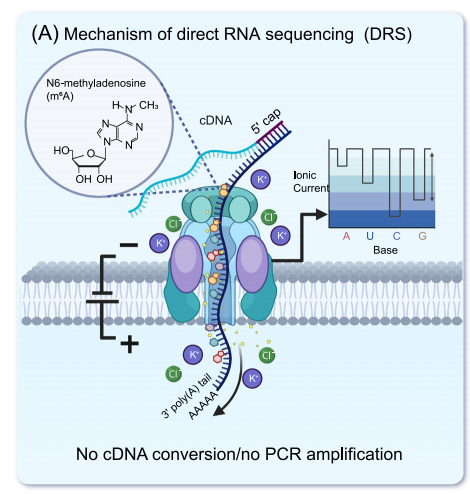
Figure 1 Principle of Direct RNA Sequencing(Source: https://onlinelibrary.wiley.com/doi/full/10.1002/imt2.70136)
3.2 Four Core Problems Solved by DRS
Problem 1: Resolution Upgrade from 100–200 nt to Single-Base Level. DRS records ionic current signals at the single-nucleotide level, eliminating the resolution limitation imposed by RNA fragment length. Researchers can precisely locate individual modified adenosine or cytosine residues, rather than merely confirming modification existence within a 100 nt regional window.
Problem 2: Transition from Single-Modality to Simultaneous Multi-Modality Detection. Antibody-independent DRS breaks the constraint of single-modification detection. Based on a single set of sequencing data, multiple modification types including m⁶A, m⁵C, Ψ, m¹A, and inosine (I) can be simultaneously detected via distinct algorithmic models. This provides an unprecedented data foundation for exploring modification crosstalk, as positional and relational information of all modifications is derived from the same individual RNA molecule with authentic spatial relevance.
Problem 3: Quantitative Stoichiometry Detection Beyond Qualitative Analysis. DRS sequences native RNA molecules directly. Multiple reads covering the same transcript locus carry independent current signals from distinct RNA molecules, enabling accurate calculation of modification stoichiometry at each site. This quantitative stoichiometric information is essential for elucidating the functional regulatory mechanisms of RNA modifications.
Problem 4: Full-Length Transcript Resolution Beyond Fragmented Detection. DRS generates long-read data that spans full-length transcripts, enabling simultaneous identification of alternative splicing isoforms, poly(A) tail length, and modification profiles. This capability is irreplaceable for transcripts containing repetitive sequences or complex splicing patterns, which are intractable for short-read sequencing.
3.3 Systematic Comparison Between DRS and Traditional Methods
The table below summarizes the core technical differences between MeRIP-seq/m⁶A-seq and Nanopore DRS:
|
Item |
MeRIP-seq / m⁶A-seq |
Nanopore DRS |
|
Resolution |
100–200 nt (limited by fragment length) |
Single-base |
|
Detectable Modifications |
Single type (antibody-dependent specificity) |
Simultaneous detection of multiple types (m⁶A, m⁵C, Ψ, m¹A, I, etc.) |
|
Quantitative Capacity |
Qualitative/semi-quantitative, no stoichiometry calculation |
Accurate modification stoichiometry quantification |
|
Read Length |
Short-read (~100 nt) |
Full-length transcript |
|
Experimental Workflow |
Fragmentation → antibody incubation → immunoprecipitation → reverse transcription → sequencing |
Native RNA library construction → direct sequencing |
|
Bias Sources |
Antibody cross-reactivity, immunoprecipitation efficiency deviation, reverse transcription bias |
No antibody or reverse transcription bias |
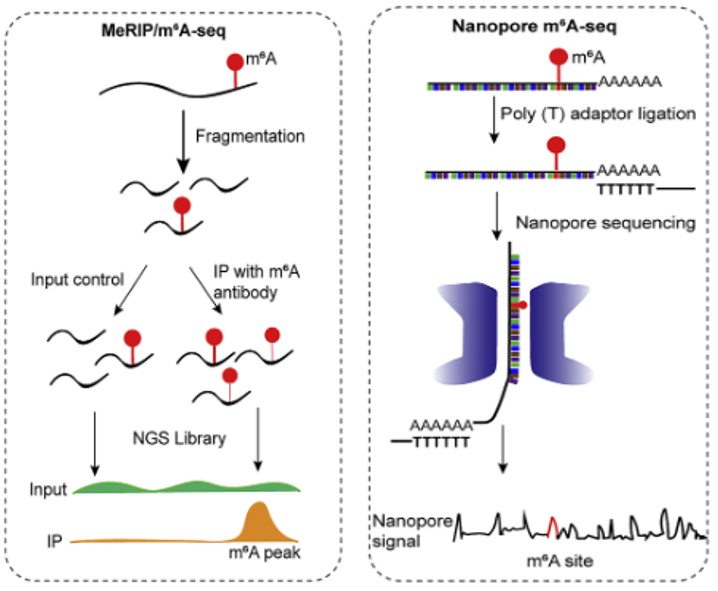
Figure 2 Workflow of MeRIP-seq and DRS(Source: https://www.cell.com/plant-communications/fulltext/S2590-3462(23)00044-5)
4. Research Case: Breakthrough Discoveries of DRS in m⁶A/m⁵C Co-Localization and Cross-Modality Regulation
Paper Title: Prediction of m⁶A and m⁵C at single-molecule resolution reveals a transcriptome-wide co-occurrence of RNA modifications
Journal: Nature Communications (IF = 18.1)
Publication Date: May 2024
DOI: https://doi.org/10.1038/s41467-024-47953-7
Published in Nature Communications, this study addresses the key limitation of traditional methods that fail to resolve multiple modifications on the same individual RNA molecule at single-base resolution. The research team developed a computational framework for simultaneous single-molecule prediction of m⁶A and m⁵C based on Nanopore DRS data, and for the first time revealed transcriptome-wide co-occurrence patterns of these two RNA modifications.
The unique advantages of DRS — native RNA direct sequencing, single-molecule long-read profiling, and single-base current signal resolution — enable this groundbreaking research. To investigate the relationship between m⁶A and m⁵C via traditional MeRIP-seq, two independent experimental systems must be established with subsequent data alignment. However, data from separate experiments originate from distinct RNA populations, and the inherent 100–200 nt fragmentation and antibody enrichment limitations only provide vague regional signals, making it impossible to verify whether the two modifications coexist on the same transcript or individual RNA molecule. In contrast, DRS requires no RNA fragmentation, antibody enrichment, or reverse transcription amplification. The positional information of m⁶A and m⁵C is derived from the current signals of the same RNA molecule, enabling direct physical identification of their spatial relationships rather than indirect cross-experimental inference. This allows researchers to reliably establish transcriptome-wide co-occurrence patterns of m⁶A and m⁵C, and identify abundant adjacent modification loci on numerous transcripts, suggesting potential synergistic or competitive functional crosstalk.
This study confirms that single-molecule signal integrity and in-situ synchronous detection are the core foundations for resolving RNA modification interactions. Due to inherent defects including antibody enrichment, fragmentation, and cross-experimental inference, MeRIP-seq can only achieve regional profiling of single modifications, failing to answer the critical biological question of whether two modifications co-occur on the same RNA molecule — a gap that cannot be fully compensated by algorithmic alignment. Benefiting from native RNA direct sequencing, single-base current signal recognition, and synchronous multi-modality prediction, DRS enables precise modification localization, direct reading of cross-modality spatial relationships, and retention of authentic stoichiometric information, comprehensively enhancing the resolution of RNA modification regulatory network analysis.
Beyond constructing a panoramic map of m⁶A–m⁵C co-localization, this study challenges the traditional paradigm of "independent function of individual RNA modifications", advancing epitranscriptomic research from single-modality functional analysis to multi-modality interactive network exploration. This scalable analytical paradigm can be extended to diverse modification combinations such as m⁶A–Ψ and m⁶A–m¹A, providing a novel methodological basis for systematically deciphering the regulatory logic of the epitranscriptome.
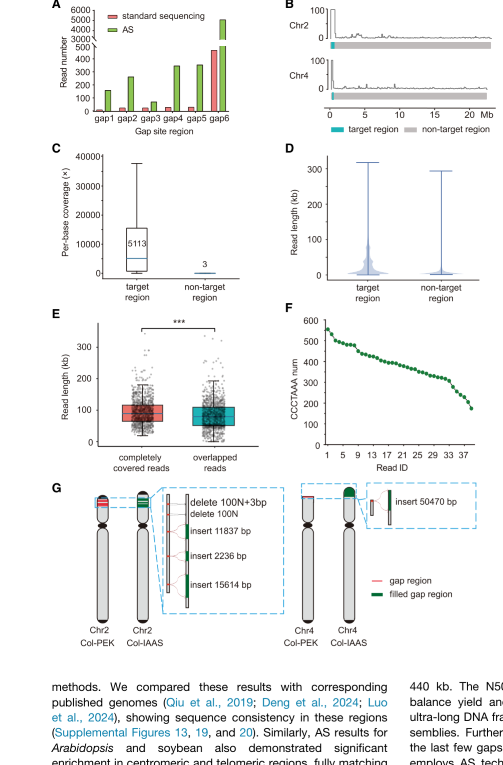
Figure 3 Co-occurrence of m6A and m5C in RNA in vivo(Source: https://www.nature.com/articles/s41467-024-47953-7)
5. Sailgene Solution: End-to-End DRS Project Service
Sailgene is a biotechnology company focusing on long-read sequencing, NGS sequencing, and integrated bioinformatics solutions. Relying on the Nanopore sequencing platform, the company provides high-quality and scalable sequencing services for plant, animal, microbial, and environmental genomics research.
In the field of RNA sequencing, Sailgene has established a comprehensive Nanopore Direct RNA-seq product line, including standard Direct RNA-seq and Direct-LncRNA-seq. Adopting a native RNA direct library construction strategy, the service avoids reverse transcription and amplification, minimizing technical bias and false-positive transcript signals.
Sailgene’s core competitive advantages are reflected in three dimensions. First, extensive cross-species practical experience: the team has accumulated abundant DRS project data across plants, animals, and microorganisms, with in-depth expertise in RNA extraction, library construction, and sequencing optimization for diverse sample types. Second, integrated bioinformatics capabilities: a complete analytical pipeline covering raw current signal processing to modified locus annotation, converting raw DRS data into interpretable biological conclusions. Third, multi-omics integrated perspective: DRS analysis is embedded in the overall framework of genomics, transcriptomics, and epigenomics, enabling multi-dimensional elucidation of the regulatory functions of RNA modifications.
6.FAQ
Q1: What types of RNA modifications can be detected by DRS?
Currently, ONT official Dorado software enables simultaneous analysis of 5 common modifications based on DRS data, including m6A, m5C, pseudouridine (Ψ), inosine (I), and 2’-O-methylation. With third-party software adapted to RNA004 chip data, POD5 data can be further analyzed to identify additional modifications such as m1A, m7G, and ac4C. In short, a single DRS dataset supports multi-modality combinatorial analysis without independent experiments for each modification type.
Q2: How much total RNA input is required for DRS?
The required sample quantity varies with sequencing data volume: a minimum of 6 μg total RNA is required for data volume within 10 Gb, and 15 μg total RNA is recommended for data volume exceeding 10 Gb.
Q3: Can DRS detect modifications on non-poly(A) RNAs (e.g., lncRNAs)?
Yes. The optimized long non-coding RNA DRS (lncDRS) workflow achieves targeted optimization of library construction and analytical pipelines, enabling simultaneous capture of poly(A) and non-poly(A) RNAs, and identification of m6A, m5C, pseudouridine, inosine, 2'-O-methylation and other modifications at single-molecule single-base resolution.
Previous Page
Previous Page

Contact Us
If you are interested in our long-read sequencing services or potential collaboration, please contact us. Our team is ready to support your research with tailored solutions. We also welcome feedback from users to help us improve our services.

Contact Us
Add: One Innovation Drive, Suite B3-406, Worcester, MA 01605, USA
在线客服添加返回顶部
右侧在线客服样式 1,2,3 1
图片alt标题设置: SAILGENE TECHNOLOGY INC.
表单验证提示文本: Content cannot be empty!
循环体没有内容时: Sorry,no matching items were found.
CSS / JS 文件放置地